StrategyBusiness
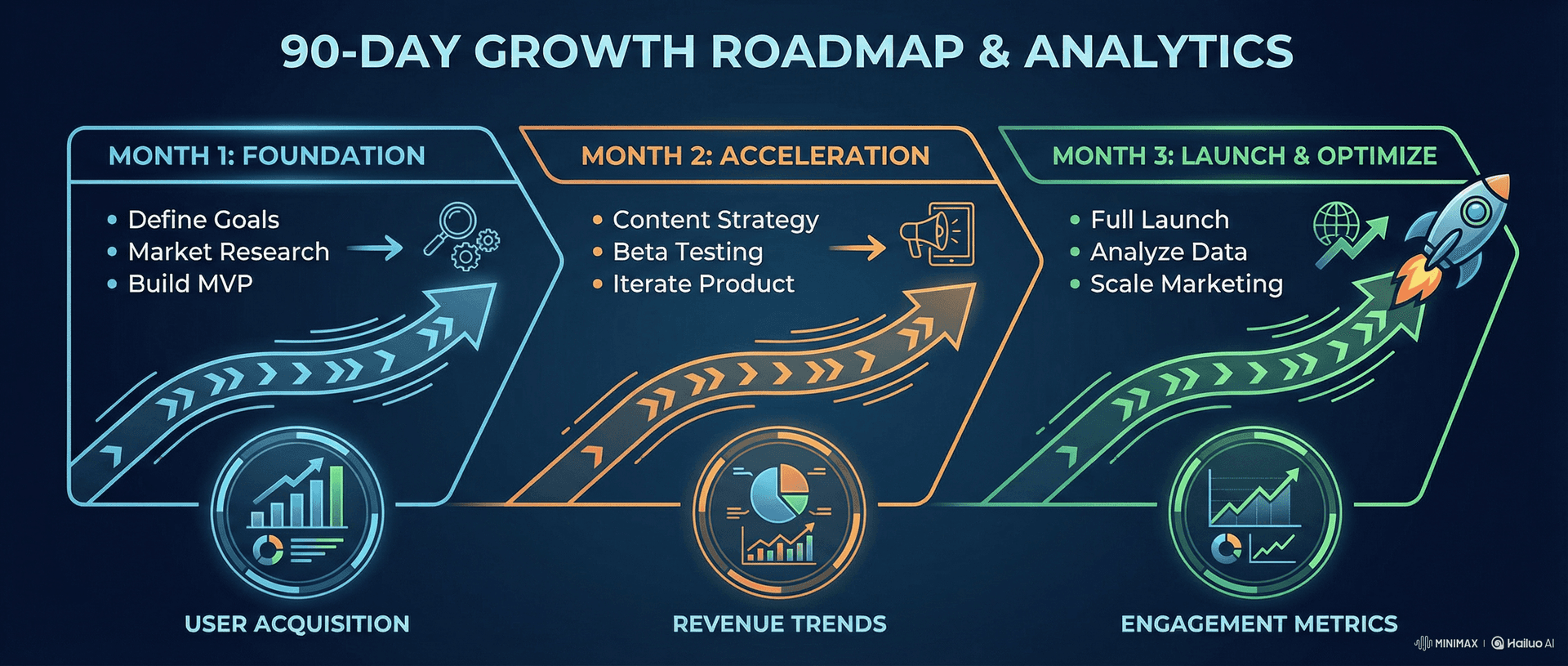
After Website Launch: The 90-Day Growth Plan Most Brands Ignore
What to do after your website goes live to ensure traffic, growth, and sales.
01/12/20259 min

Building digital products that actually work.

If you're building a brand in 2025, your platform decision can make or break your growth. Two options dominate the conversation: Shopify and WordPress.
But which one is actually better in today’s digital landscape?
As an agency that builds high-performance websites and scalable eCommerce experiences, Devify works with both platforms daily — and the truth is more nuanced than the internet might suggest.
Let’s break it down with real-world, business-first thinking.
Shopify was created explicitly for eCommerce.
Everything is geared towards:
WordPress was created for content first. Ecommerce was added later through WooCommerce.
🔍 Key difference:
If your brand is focused on selling products, Shopify already wins the first round.
In 2025, website speed is one of the strongest ranking factors and conversion drivers.
Shopify now:
WordPress:
At Devify, we fix these issues using headless builds and performance architecture.
➡️ Read next: “Shopify + Next.js + Headless = The Ultimate Stack”
Conclusion: Shopify is much faster out-of-the-box.
There is a myth that:
“WordPress is better for SEO”
That was years ago.
In 2025:
WordPress:
Your Devify blog system already does better than most WordPress sites because:
➡️ Also read: “Content Marketing for Modern Brands”
Verdict: With Devify optimization — Shopify wins for SEO.
Ask yourself:
“Will this work when I have 5,000 products and 500K monthly visitors?”
Shopify:
WordPress:
For scalable brands — Shopify wins clearly.
Most “cheap” WordPress builds end up more expensive long-term.
Verdict: Shopify is more predictable + cost-efficient
Let’s be fair.
WordPress wins in:
But for:
Shopify + Devify = unbeatable combo.
If you want:
We recommend: Shopify + Devify design & performance setup
Read next:
What to do after your website goes live to ensure traffic, growth, and sales.

The complete guide to content marketing that actually builds authority, SEO, and sales.

Why headless commerce is the future and how Shopify + Next.js gives brands unmatched speed and control.